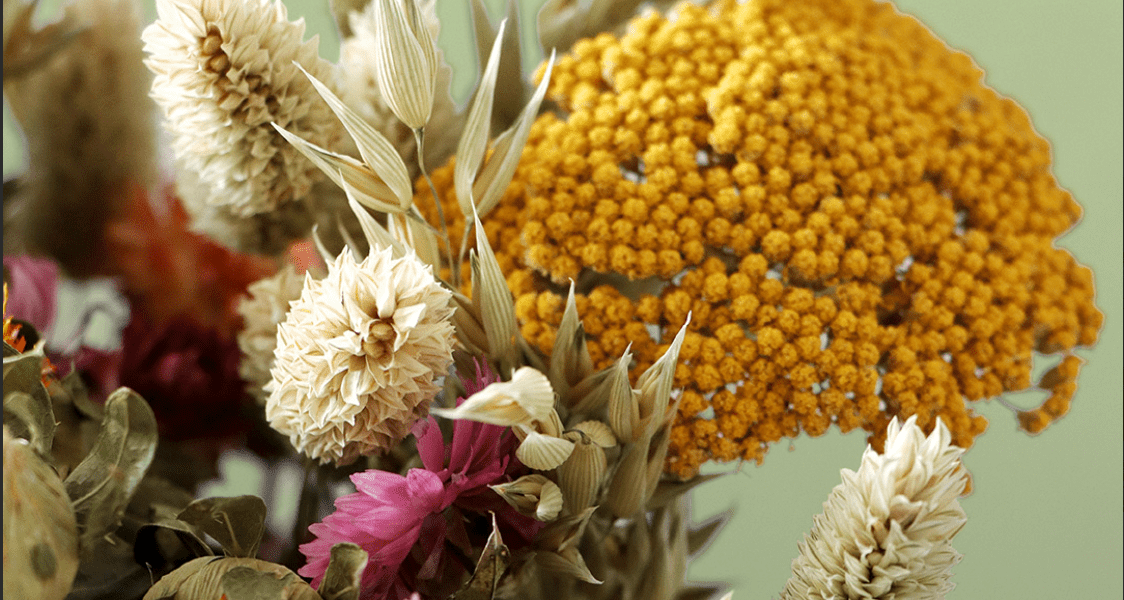
Choosing a dried flower bouquet as a gift should be simple — but the sheer variety of styles, stems, and colour palettes can make it surprisingly difficult. Especially if you’re buying for someone whose taste you’re not entirely sure about. Too bold and it might clash with their home. Too subtle and it might not feel like enough.
Here’s a practical guide to choosing the right dried flower bouquet for any recipient — whether you know their style intimately or you’re making your best guess.
Start with Their Space, Not the Flowers
The most useful question isn’t ‘what flowers do they like?’ — it’s ‘what does their home look like?’
Minimalist or modern spaces suit clean, restrained arrangements. Think single-variety bouquets (all pampas, all gypsophila), neutral tones, and architectural stems like protea or dried palm.
Boho or eclectic homes suit wild, textured, multi-stem bouquets. Mix grasses, bunny tails, helichrysum, and eucalyptus for that gathered-from-a-meadow quality.
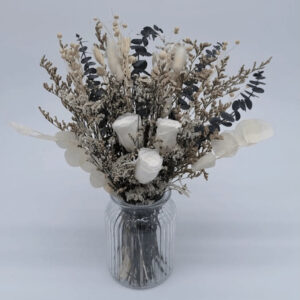
Traditional or classic interiors suit tonal arrangements in muted palettes — dusty pinks, warm ivories, and sage greens. Dried roses and preserved eucalyptus feel naturally at home in these spaces.
If you genuinely don’t know their style: go neutral. Cream, blush, and natural green work with everything. You cannot go wrong with a bouquet in these tones.
Size Matters
Small posies and bud vases (£10–£20) work for: colleagues, acquaintances, thank-you gestures, teachers, neighbours. Thoughtful without being excessive.
Medium hand-tied bouquets (£20–£40) work for: close friends, family members, Mother’s Day, birthdays. The sweet spot for most gift occasions.
Large statement bouquets (£40+) work for: partners, best friends, significant occasions, housewarmings. A generous, impressive gift that becomes a centrepiece.
Colour Confidence
If you’re unsure about colour, here’s a simple framework:
Safe choices: Cream, natural, blush pink, sage green. These work everywhere and offend no one.
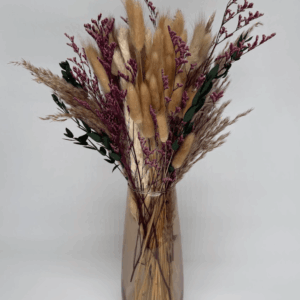
Bold choices: Terracotta, burnt orange, deep burgundy, vivid purple. Choose these only if you know the recipient loves colour or has a warm-toned home.
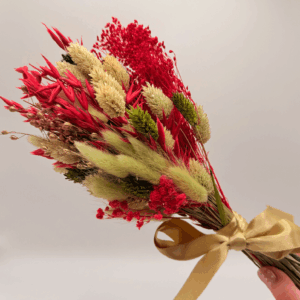
Seasonal choices: Match the season — pastels for spring, brights for summer, warm tones for autumn, deep reds and whites for winter.
The Vase Question
Including a vase with your gift removes the one awkward moment in any flower gift: the recipient unwrapping beautiful flowers and then realising they don’t have the right vase. Adding a simple ceramic or glass vase turns the gift from ‘lovely bouquet’ to ‘complete, ready-to-display arrangement.’ It’s worth the small extra cost.
When You’re Still Stuck
If all else fails, ask yourself: what would I want to receive? A thoughtfully chosen dried flower bouquet in neutral tones, packaged beautifully, with a handwritten note — that’s a gift that works for virtually anyone, on virtually any occasion.
Matching to the Occasion
The occasion shapes the bouquet as much as the recipient does. Here’s a quick guide to choosing appropriately:
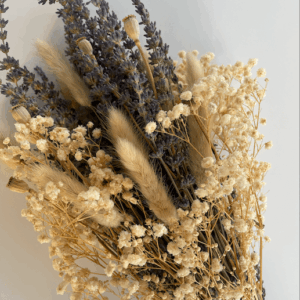
Thank you gifts: Keep it simple and elegant. A small-to-medium bouquet in neutral tones says gratitude without overstepping. Lavender is a particularly nice touch — calming, beautifully scented, and universally liked.
Get well soon: Warm, uplifting tones. Avoid anything too dramatic or sombre — this isn’t the moment for deep burgundy and moody palettes. Sunny craspedia, soft pink roses, and cheerful bunny tails hit the right note.
Sympathy: Muted, gentle, and understated. White and cream arrangements with soft greenery feel respectful and comforting. Dried flowers are especially appropriate here because they last — a quiet, enduring presence during a difficult time.
Just because: This is where you can be most creative. No expectations to meet, no occasion to match. Choose something that genuinely reminds you of the person — their favourite colour, a stem you know they’d love, or something you’d want in your own home.
Common Gift-Buying Mistakes
Even thoughtful gift-givers trip up occasionally. A few pitfalls worth avoiding:
Choosing for yourself, not them. Your favourite colour isn’t necessarily theirs. If you’re drawn to bold terracotta but their home is all cool greys and blues, go neutral instead.
Overthinking it. Analysis paralysis is real when you’re staring at thirty bouquet options. If you’ve been deliberating for more than five minutes, go with the one that caught your eye first. Instincts are usually right.
Forgetting the card. Flowers without a message are a beautiful object. Flowers with a heartfelt note are a gift that means something. Always, always include a card — handwritten if possible.
Skipping the vase. If there’s any doubt about whether the recipient owns a suitable vase, include one. It’s a small extra cost that transforms the experience from ‘lovely but now I need to find something to put it in’ to ‘ready to display the moment I open it.’
A Quick Stem Glossary for Gift Buyers
If you’re browsing product listings and aren’t sure what you’re looking at, here are the most common dried stems you’ll encounter: pampas grass — the tall, feathery plumes that have become a home décor staple; bunny tails (lagurus) — small, fluffy, soft-to-the-touch pompoms available in dozens of colours; helichrysum — papery, daisy-like blooms that hold their colour beautifully; craspedia — round, golden drumstick flowers that add a cheerful pop; eucalyptus — preserved leaves in soft green or silver tones that add structure and a subtle fragrance.
If you want a safe starting point: the Mabel Letterbox Flowers for a no-fuss, beautifully packaged gift, or the Anastasia Bouquet for something more generous in neutral tones that suit any space.
Browse our gift guide for inspiration, or explore our full collection and trust your instincts. You know this person better than any guide does.